
Fingerprint and Latent Print Analysis Expert Witnesses
Buyer guidance for sourcing and vetting a fingerprint expert witness in latent print and friction ridge cases.
The buyer problem
Attorneys and claims teams often need a latent print examiner to confirm, rebut, or re-examine an identification, but the field mixes highly trained examiners with practitioners whose methods and credentials vary widely. Latent print comparison is a subjective, examiner-dependent method, and its reliability has been scrutinized in major scientific reviews, so a weak or overstated opinion is a real exposure. The buyer's problem is finding an examiner who applies a documented method, states conclusions in defensible terms, and will hold up under cross-examination and reliability challenges.
What a fingerprint and latent print analysis expert does
A fingerprint expert, also called a latent print examiner, compares friction ridge impressions (from fingers, palms, or soles) recovered from evidence against known reference prints to assess whether they originated from the same source. The work centers on the ACE-V framework: Analysis of the latent, Comparison against a known, Evaluation of agreement or difference, and independent Verification by a second examiner. Examiners also run searches through AFIS databases to generate candidate matches, assess print quality and distortion, and document the basis for each conclusion. In litigation they issue reports, may re-examine the opposing side's identifications, and testify to their methods and findings.
Methods and techniques
- ACE-V (Analysis, Comparison, Evaluation, Verification) as the structured comparison workflow
- Minutiae and ridge-detail (Galton point) analysis: bifurcations, ridge endings, and level 1/2/3 detail
- AFIS/IAFIS/NGI database searching and candidate-list evaluation
- Latent development and recovery: powders, cyanoacrylate (superglue) fuming, ninhydrin and chemical processing
- Digital capture, enhancement, and side-by-side charting of comparison points
- Assessment of distortion, pressure, and substrate effects on ridge clarity
- Blind or independent verification to reduce confirmation bias
- Documentation of analysis-before-comparison to guard against circular reasoning
What to verify before you retain
- Certification status. Ask whether the examiner holds IAI Certified Latent Print Examiner (CLPE) status, and confirm it is current rather than lapsed. Certification is not legally required, so its presence or absence is a data point, not a disqualifier.
- Laboratory accreditation. Confirm whether the examiner's lab operates under an accredited quality system (for example ANAB accreditation to ISO/IEC 17025). Ask how nonconformities and errors are logged.
- Documented methodology. Verify the examiner performs and records Analysis before viewing the known print, and that verification is genuinely independent rather than a rubber stamp.
- Proficiency testing history. Ask for participation in regular proficiency testing and whether any errors have been recorded, without expecting a spotless record to be the only acceptable answer.
- Prior testimony and challenges. Request a list of cases where the examiner testified and any instances where testimony was limited or excluded on reliability grounds.
- Conclusion terminology. Confirm the examiner states conclusions in supportable terms (identification, exclusion, inconclusive) and does not claim absolute or zero-error certainty.
Questions to put in your RFP
- Describe your ACE-V workflow in this matter, including whether analysis was documented before you saw the known prints.
- What are your training, years of casework, and current certification status as a latent print examiner?
- Is your laboratory accredited, and to what standard? How are errors and corrective actions documented?
- How did you handle verification: was it blind, and who performed it?
- How do you account for distortion, low ridge clarity, or limited minutiae in reaching a conclusion?
- What conclusion scale do you use, and how do you phrase the limits of a same-source opinion?
- How do you address the findings of the 2009 NAS report and the 2016 PCAST report on latent print reliability?
- Have any of your identifications ever been reversed, corrected, or challenged, and what happened?
- What is your experience with AFIS candidate lists and the risk of adopting a database-suggested match?
Skip the cold search. Send this scope to us and we route it toward qualified fingerprint and latent print analysis experts.
Request expertsRed flags
- Claims of a zero error rate or absolute, infallible certainty in identification
- Reaching a conclusion without documented analysis performed before viewing the known print
- Verification described as automatic agreement rather than genuine independent review
- Dismissing the NAS and PCAST reviews instead of engaging with their findings
- Overstated case counts or credentials that cannot be substantiated on request
- Willingness to opine confidently on contested disciplines such as bite marks outside friction ridge analysis
Typical case types
Standards and credential bodies
Bodies referenced in this discipline. Listed for context; they do not endorse this index or any provider. Verify any credential directly with the issuing body.
- IAI
- International Association for Identification. Professional body that administers the Certified Latent Print Examiner (CLPE) credential.
- ANAB
- ANSI National Accreditation Board. Accredits forensic laboratories to standards such as ISO/IEC 17025.
- OSAC
- Organization of Scientific Area Committees for Forensic Science. NIST-administered body whose Friction Ridge subcommittee develops consensus standards.
- NIST
- National Institute of Standards and Technology. Federal agency involved in forensic measurement standards and research on friction ridge analysis.
- ASB
- American Academy of Forensic Sciences Standards Board. Develops and publishes forensic science standards, including friction ridge documents.
Pioneers of fingerprint and latent print analysis
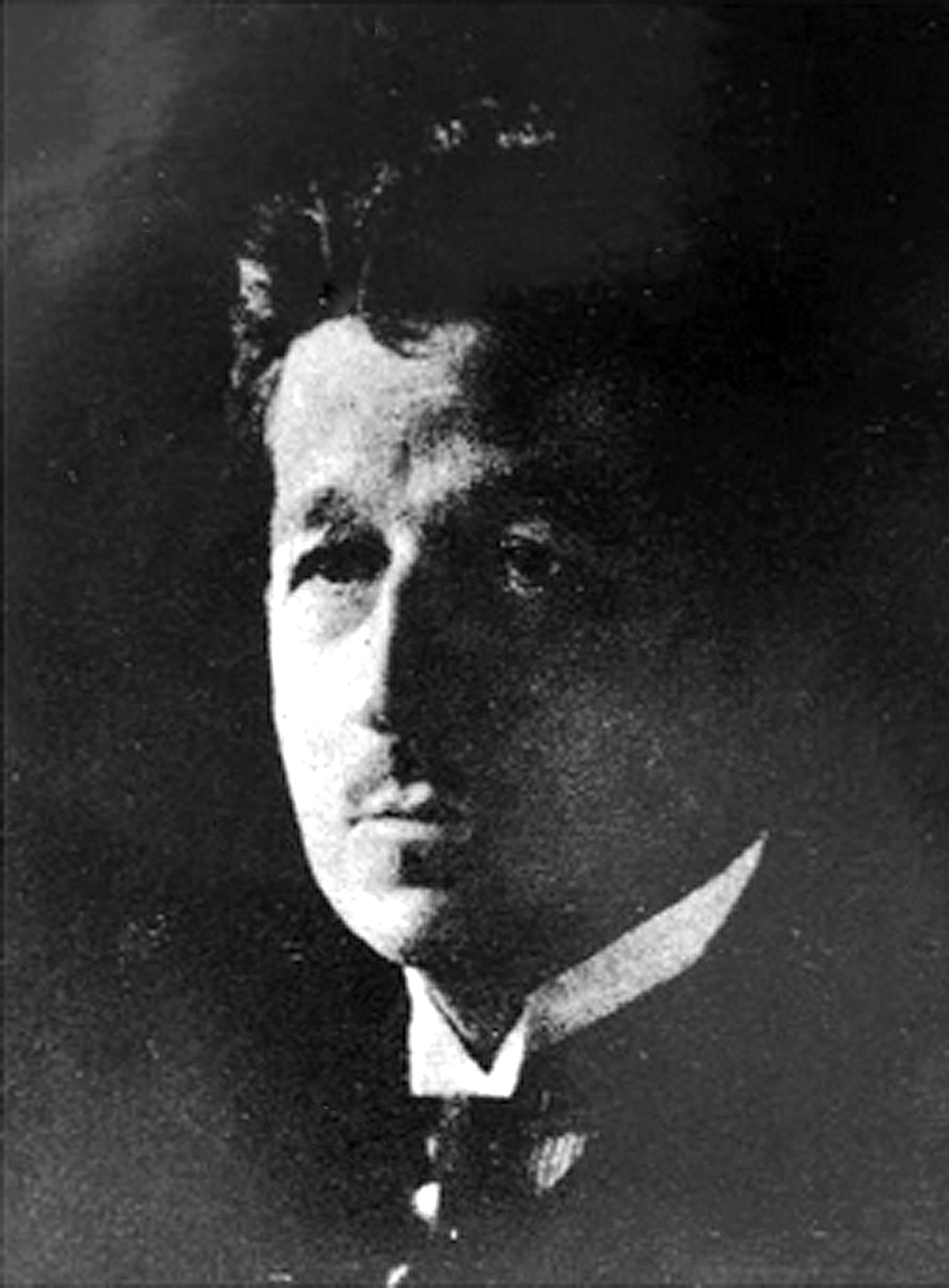
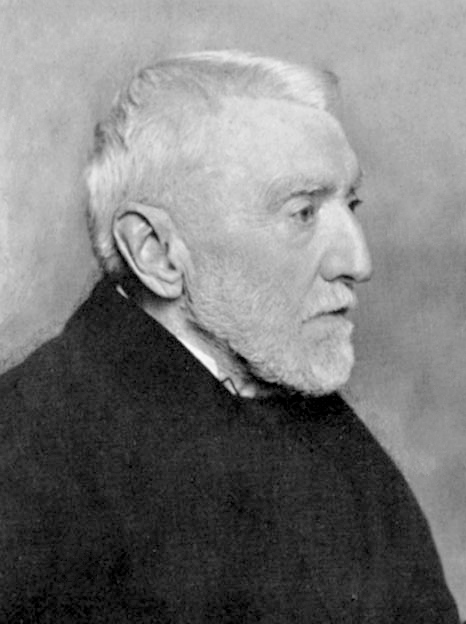
Notable scientists associated with this field. Sourced from Wikipedia and Wikidata.



Fingerprint and Latent Print Analysis: buyer FAQ
Is a fingerprint identification scientifically certain?
No. Latent print comparison is a subjective method that depends on examiner judgment. Major reviews, including the 2009 National Academy of Sciences report and the 2016 PCAST report, found the discipline can be applied reliably but has a measurable, non-zero error rate. A credible examiner states conclusions in supportable terms and does not claim infallibility.
What is ACE-V and why does it matter to a buyer?
ACE-V stands for Analysis, Comparison, Evaluation, and Verification. It is the structured workflow examiners are expected to follow. It matters because a documented ACE-V process, with analysis recorded before the known print is viewed and independent verification, is what makes an opinion defensible under cross-examination.
Does the expert need to be certified?
Certification such as the IAI Certified Latent Print Examiner credential is not legally required, but it signals tested competency. Verify whether any certification is current and pair it with proficiency testing history and casework experience rather than relying on a title alone.
What is AFIS and can a database match stand on its own?
AFIS is an automated fingerprint identification system that searches databases and returns candidate prints. A database hit is a lead, not a conclusion. A qualified examiner must still perform a manual ACE-V comparison, and buyers should ask how the examiner guards against simply adopting a computer-suggested candidate.
How should conclusions be worded?
Defensible conclusions typically fall into identification, exclusion, or inconclusive, with an explanation of the limits. Be cautious of any expert who uses absolute language, claims a zero error rate, or opines confidently on contested pattern disciplines outside friction ridge analysis.