
Forensic Pathology Expert Witnesses
Source and vet a forensic pathologist expert witness for autopsy review, cause of death, and manner of death questions with a clear checklist of what to confirm before you retain.
The buyer problem
Cases that turn on how and why a person died put you in a specialized market where board certification, prior testimony history, and independence from the original autopsy office all matter. Many general pathologists market themselves for death investigation work without subspecialty forensic training, and a mismatch between the expert's actual practice and your medical or scientific question can surface late, after depositions have already exposed the gap. The buyer's problem is separating a qualified, currently practicing forensic pathologist from an adjacent specialist or a retired generalist whose opinions may not hold up under scrutiny.
What a forensic pathology expert does
A forensic pathologist is a physician who applies pathology to death investigation, determining cause of death (the disease or injury that started the lethal sequence) and manner of death (natural, accident, suicide, homicide, or undetermined). In litigation and claims work they perform or review autopsies, interpret autopsy and histology findings, correlate them with medical records, scene information, and toxicology, and reconstruct the sequence and timing of events leading to death. As an autopsy expert or cause of death expert, they may conduct a second autopsy, review the original medical examiner or coroner report for methodology and completeness, and offer opinions on injury mechanism, survivability, and consistency with a proposed account. Modern practice is grounded in systematic autopsy protocols and correlation with laboratory and imaging data.
Methods and techniques
- Complete forensic autopsy with external examination, internal dissection, and organ evaluation
- Histopathology (microscopic tissue examination) to establish or confirm disease and injury
- Cause and manner of death determination using autopsy, records, scene, and lab data
- Second (independent) autopsy and exhumation review
- Review and critique of the original medical examiner or coroner autopsy report and methodology
- Injury pattern interpretation and blunt, sharp, gunshot, and asphyxial mechanism analysis
- Postmortem interval and survivability estimation from documented findings
- Correlation with toxicology, postmortem imaging (CT/MRI), and clinical records
What to verify before you retain
- Board certification in forensic pathology. Confirm current certification by the American Board of Pathology in anatomic pathology and, specifically, the forensic pathology subspecialty. General pathology or clinical pathology alone is not forensic pathology.
- Active medical license and standing. Verify an unrestricted, current medical license in the relevant state and check for board actions, restrictions, or lapses.
- Current or recent death-investigation practice. Confirm they actively perform or supervise autopsies. A pathologist years removed from casework may not be current on protocols and literature.
- Independence from the case. Check that the expert had no role in the original autopsy, treatment, or investigation, and disclose any office or institutional ties that could create a conflict.
- Testimony and Daubert history. Request a list of prior testimony and any rulings that limited or excluded their opinions. Ask the expert directly about exclusions rather than relying on a clean-looking CV.
- Scope match to your specific question. Confirm the expert has genuine experience with the mechanism at issue (for example pediatric, asphyxial, gunshot, or drug-related deaths), not just general autopsy work.
Questions to put in your RFP
- Are you board certified by the American Board of Pathology in forensic pathology, and in what year, and is that certification current?
- How many autopsies have you personally performed or supervised, and are you actively practicing death investigation now?
- What is your process for reaching a cause and manner of death opinion when you did not perform the original autopsy?
- Have any of your opinions ever been limited or excluded by a court, and if so, in what matters?
- What materials do you require to form a reliable opinion (autopsy report, slides, tissue, imaging, scene photos, medical records, toxicology)?
- Do you have any prior involvement with the decedent, the original examining office, or any party in this matter?
- What is your experience with the specific mechanism of death at issue in this case?
- Will you disclose opinions that are unfavorable to the retaining party, and how do you handle findings that do not support the theory of the case?
- What are your fees for record review, second autopsy, report preparation, deposition, and trial, and what is your current caseload and availability?
Skip the cold search. Send this scope to us and we route it toward qualified forensic pathology experts.
Request expertsRed flags
- Marketed as a forensic pathologist without American Board of Pathology forensic subspecialty certification
- Opinions offered on any death regardless of mechanism, with no acknowledged limits of expertise
- Cause and manner of death conclusions stated with certainty despite missing autopsy materials, slides, or toxicology
- No current autopsy practice, or many years removed from active death investigation
- Reluctance to disclose prior exclusions, restrictions on their license, or an unfavorable testimony history
- Opinions that shift to match whichever side is paying, or that ignore documented findings that cut against the retained theory
Typical case types
Standards and credential bodies
Bodies referenced in this discipline. Listed for context; they do not endorse this index or any provider. Verify any credential directly with the issuing body.
- ABPath
- American Board of Pathology. Certifies physicians in anatomic pathology and in the forensic pathology subspecialty. The core credential to verify for this discipline.
- NAME
- National Association of Medical Examiners. Professional body for death investigation that publishes autopsy standards and accredits medical examiner and coroner offices.
- AAFS
- American Academy of Forensic Sciences. Multidisciplinary forensic science organization with a pathology and biology section; membership signals engagement with the broader field, not a certification of competence.
- CAP
- College of American Pathologists. Accredits pathology laboratories and sets quality standards relevant to the labs supporting autopsy and histology work.
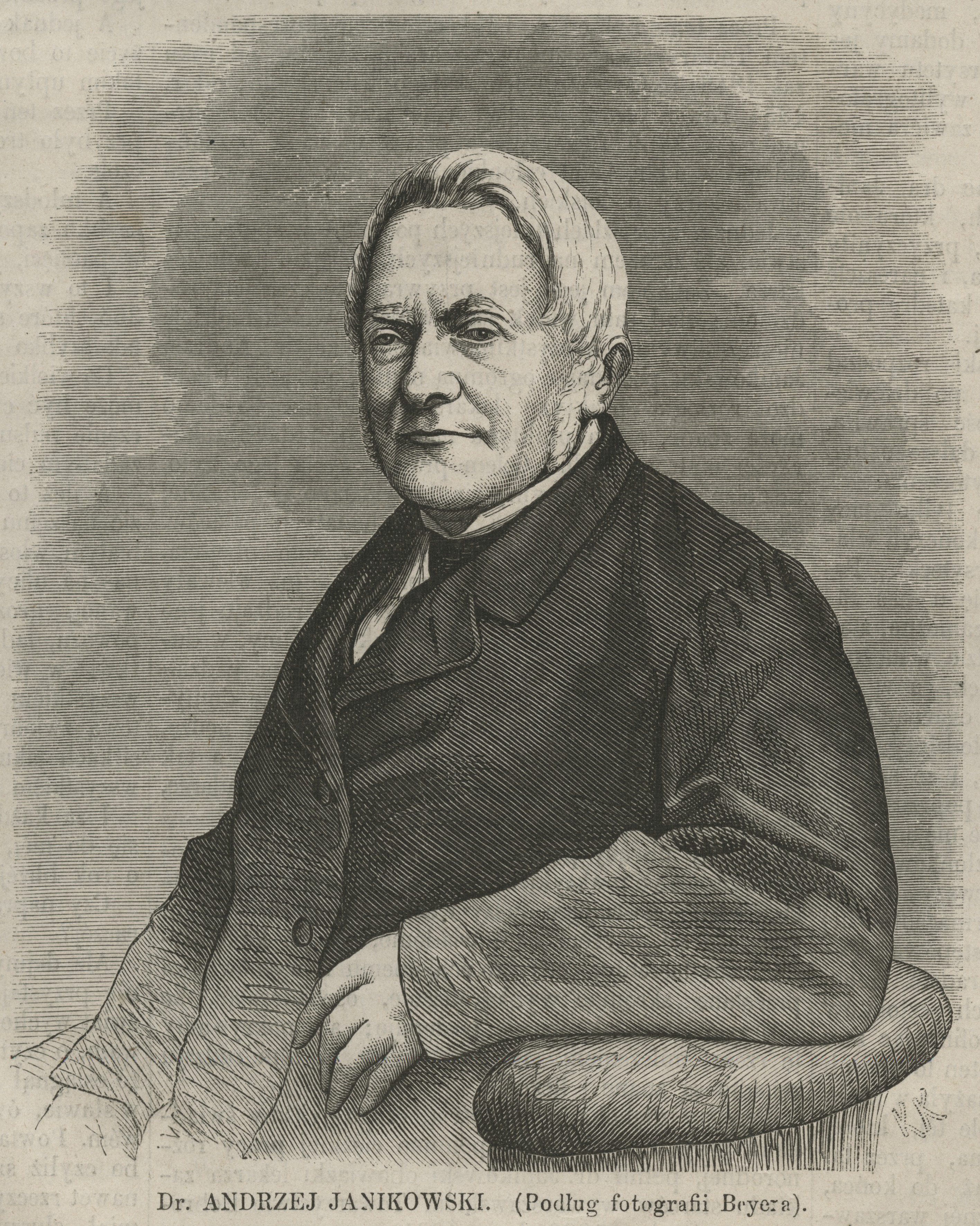
Pioneers of forensic pathology
Notable scientists associated with this field. Sourced from Wikipedia and Wikidata.




Forensic Pathology: buyer FAQ
What is the difference between a forensic pathologist and a general pathologist?
A general (anatomic or clinical) pathologist diagnoses disease in living patients through tissue and lab analysis. A forensic pathologist has additional subspecialty training in death investigation and is trained to determine cause and manner of death, interpret injuries, and testify about how a death occurred. For death cases, confirm the forensic subspecialty specifically, not general pathology alone.
What is the difference between cause of death and manner of death?
Cause of death is the disease or injury that started the sequence ending in death, for example blunt force head injury or coronary artery disease. Manner of death classifies how it occurred into natural, accident, suicide, homicide, or undetermined. Disputes often center on manner, since the same cause can carry very different legal and insurance consequences depending on the classification.
Can a forensic pathologist give an opinion without performing the autopsy?
Yes. Much expert work is record and materials review, where the pathologist evaluates the original autopsy report, histology slides, toxicology, imaging, and medical records. The reliability of that opinion depends on the quality and completeness of the materials available. A second autopsy or exhumation is a separate, more involved undertaking. Ask what materials the expert needs and what limits missing materials place on their conclusions.
Do we need a forensic pathologist or a different forensic expert?
It depends on the question. Cause and manner of death and autopsy interpretation are forensic pathology. Drug and poison levels and their effects usually involve a forensic toxicologist. Skeletal remains and identification involve a forensic anthropologist, and bite mark or dental identification involves a forensic odontologist. Many death cases require more than one discipline working together.
Is this page legal advice or a guarantee about admissibility?
No. This is buyer education to help you source and vet an expert. It does not assess whether any expert's testimony will be admitted in your jurisdiction, and it does not predict outcomes. Admissibility is decided by the court under the applicable standard, and you should rely on your own counsel for those judgments.